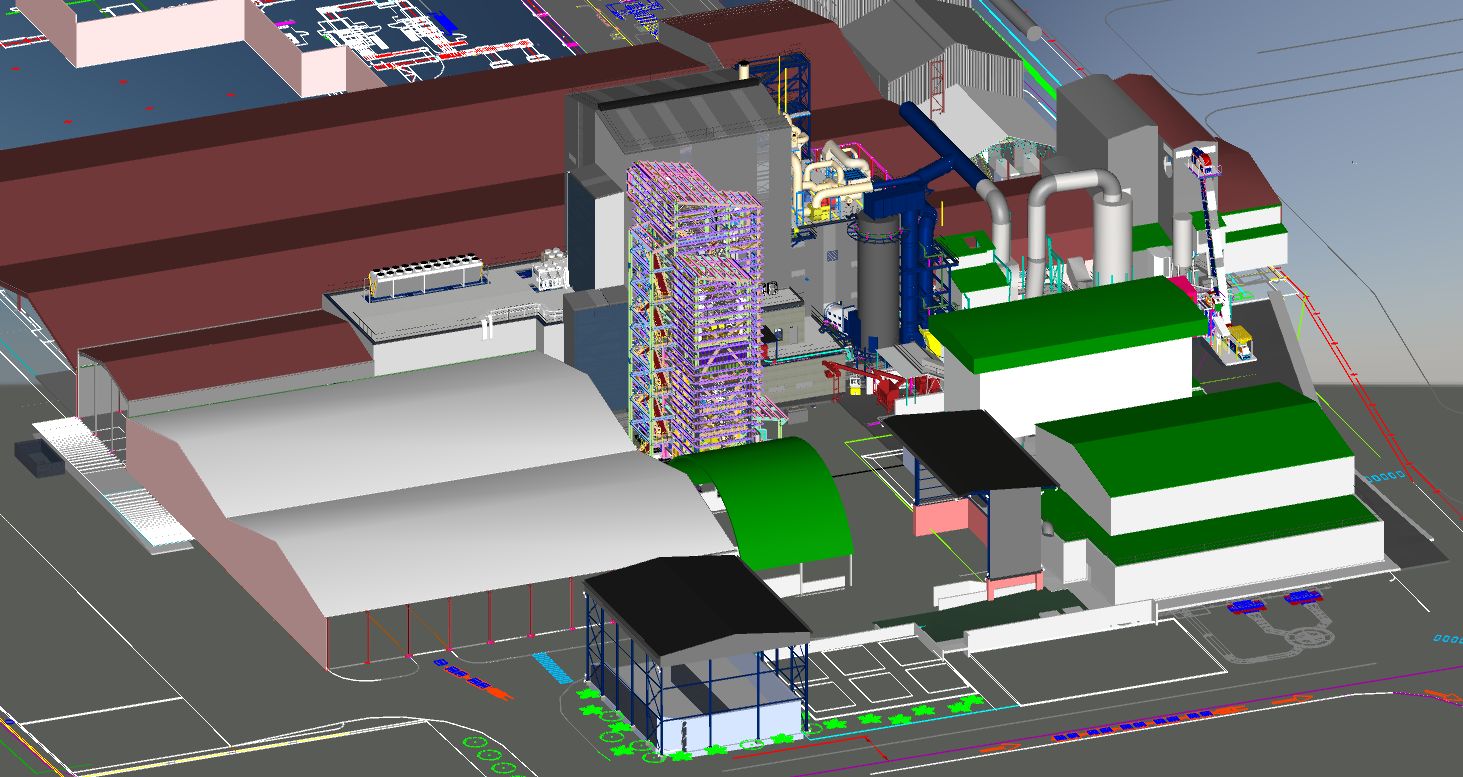
Industrial electrification has become one of the main drivers of the energy transition. As companies seek to reduce their carbon emissions and improve energy efficiency, replacing fossil fuel-based technologies with electric solutions is emerging as one of the most effective strategies for achieving decarbonization goals.
However, electrifying an industrial facility involves much more than simply replacing equipment. It requires redesigning processes, adapting energy infrastructures, and integrating new technologies capable of improving operational performance while reducing the carbon footprint of industrial facilities.
What is Industrial Electrification?
Industrial electrification consists of replacing systems that use fossil fuels with technologies powered by electricity.
This process helps reduce direct CO₂ emissions, increase energy efficiency, and facilitate the integration of energy from renewable sources.
Electrification can be applied to both thermal processes and high-power mechanical systems, making it one of the key pillars of industrial decarbonization.
Why is it Important to Electrify Industrial Processes?
Industry accounts for a significant share of global energy consumption and the emissions associated with economic activity.
Electrification makes it possible to:
✅ Reduce greenhouse gas emissions.
✅ Decrease dependence on fossil fuels.
✅ Improve process energy efficiency.
✅ Facilitate the integration of renewable energy sources.
✅ Reduce operating and maintenance costs.
✅ Increase industrial sustainability and competitiveness.
Industrial Electrification Applications
Electrification can be implemented across a wide range of industrial sectors and production processes.
Industrial Electric Furnaces
Replacing gas-fired furnaces with electric furnaces significantly reduces emissions associated with high-temperature industrial processes.
A good example is the implementation of electric furnaces for rock wool production, replacing conventional combustion-based technologies.
Replacing Steam Turbines with Electric Motors
Electric motors offer very high efficiency levels and improved operational control.
Replacing steam turbines with electric motors in high-power compressors helps improve energy performance and reduce operating costs.
Electric Boilers for Steam Generation
Electric boilers provide an efficient alternative for industrial steam production, especially when electricity is sourced from renewable energy.
This solution reduces emissions associated with conventional systems fired by natural gas or liquid fuels.
Electric Drive and Control Systems
Electrification also includes the modernization of drive systems through variable speed drives, high-efficiency motors, and advanced control systems.
These solutions optimize energy consumption and improve the operational flexibility of industrial facilities.
Key Challenges of Electrification
Although the benefits are significant, every electrification project requires a detailed technical assessment.
Key aspects to evaluate include:
- Availability of electrical power.
- Capacity of existing infrastructure.
- Process energy requirements.
- Integration with existing systems.
- Operational reliability.
- Technical and economic feasibility.
- Impact on product quality.
For this reason, electrification projects should be approached through dedicated engineering studies that identify the most efficient solution for each facility.
Engineering for Industrial Electrification Projects
At EIA21, we develop projects focused on the electrification of industrial processes through an integrated approach that combines engineering, energy efficiency, and economic viability.
Our services include:
Feasibility Studies
Technical and economic evaluation of electrification alternatives and emission reduction strategies.
Conceptual Engineering and FEED
Technical definition of solutions, CAPEX analysis, and development of roadmaps for the energy transition.
Detailed Engineering
Design of electrical installations, power systems, instrumentation, control, and automation systems.
Project Management and EPCM
Technical coordination of all disciplines required for the successful implementation of electrification projects.
Electrification and Energy Transition: An Integrated Vision
Electrification is one of the most powerful tools for advancing toward a low-carbon industry. However, its full potential is achieved when combined with other decarbonization strategies.
The integration of electrification, waste heat recovery, solar thermal energy, biomethane, renewable hydrogen, and smart energy systems enables the development of facilities that are more efficient, resilient, and sustainable.
Engineering for a More Efficient Industry
At EIA21, we participate in projects where the electrification of industrial processes transforms energy challenges into opportunities for operational and environmental improvement.
The energy transition is built through engineering, integrating technologies capable of reducing emissions, optimizing resources, and improving industrial competitiveness.

