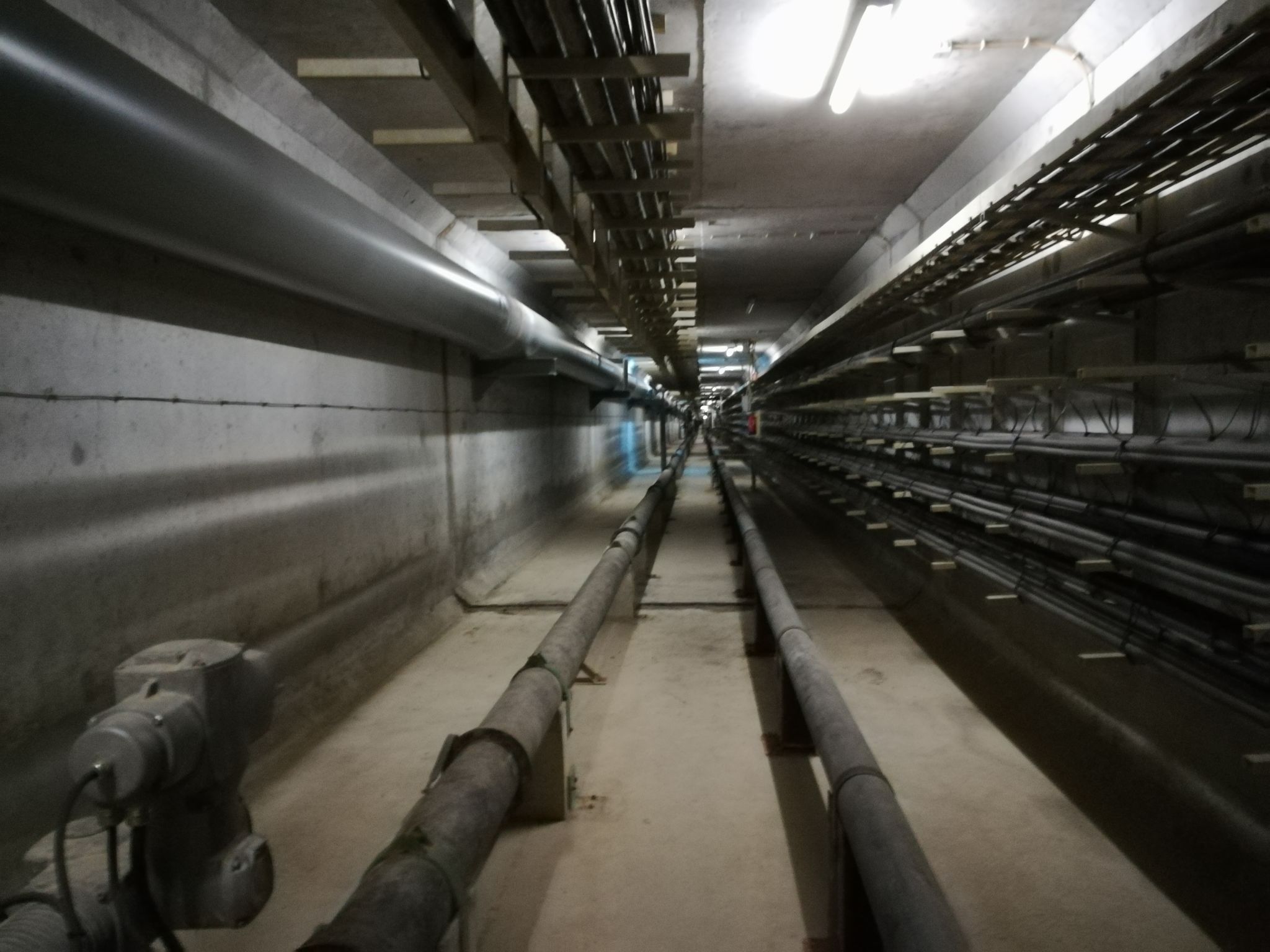
Energy efficiency does not end within the industrial process. Once available thermal energy has been recovered, the next step is to make the most efficient use of it.
In this context, District Heating systems have become a strategic solution for decarbonization, enabling centralized heat distribution to industrial facilities, buildings, and urban environments.
Heating networks make it possible to transform what was previously considered wasted energy into a valuable resource, improving the utilization of available energy and reducing dependence on fossil fuels.
What is a District Heating System?
A District Heating system is a thermal distribution network that transports heat from a centralized source to multiple consumption points.
This energy can be used for:
- Building heating.
- Domestic hot water.
- Industrial processes.
- Urban heating networks.
- Industrial clusters.
These networks make it possible to utilize energy sources that would otherwise be wasted.
What Energy Sources Can Supply a District Heating Network?
Thermal networks can be supplied by various energy sources:
Industrial Waste Heat Recovery
Heat generated by furnaces, boilers, flue gases, or industrial processes can be recovered and reused to meet other thermal demands.
Biomass and Biogas
Renewable heat generation using biomass or renewable gases helps reduce fossil fuel consumption.
Solar Thermal Energy
Solar thermal plants can complement the heat generation required for these networks.
High-Efficiency Cogeneration
Combined Heat and Power (CHP) systems enable the simultaneous production of electricity and useful heat.
Benefits of District Heating
The implementation of heating networks provides significant benefits for both industry and urban environments.
Improved Energy Efficiency
By using waste heat and renewable energy sources, CO₂ emissions associated with conventional heat production are reduced.
Reduced Emissions
By using waste heat and renewable energy sources, CO₂ emissions associated with conventional heat production are reduced.
Lower Fossil Fuel Consumption
Energy dependence is reduced and the sustainability of facilities is improved.
Resource Optimization
Energy that was previously considered waste can be recovered and reused.
Improved Competitiveness
Lower energy costs have a direct impact on the profitability of facilities.
The Role of District Heating in Industrial Decarbonization
Decarbonization requires action on both energy generation and energy consumption.
Thermal networks enable the integration of different technologies within a single energy strategy:
- Waste heat recovery.
- Solar thermal energy.
- Electrification.
- Biomass.
- Biogas and biomethane.
- Cogeneration.
This integration makes it possible to maximize overall energy efficiency and accelerate the transition toward more sustainable models.
Engineering for Thermal Networks and Energy Recovery
At EIA21, we develop projects focused on the design and integration of energy recovery and distribution solutions.
Our services include:
✅ Feasibility Studies
Technical and economic evaluation of District Heating and energy recovery systems.
✅ Conceptual Engineering and FEED
Definition of alternatives, CAPEX estimation, and feasibility assessment.
✅ Detailed Engineering
Multidisciplinary design of thermal networks, heat exchange stations, hydraulic systems, and auxiliary equipment.
✅ Energy Solutions Integration
Coordination of different technologies to maximize facility efficiency.
Waste Heat as an Energy Resource
The energy transition is not only about producing renewable energy. It also involves making better use of the energy already available within industrial processes.
District Heating solutions make it possible to transform waste heat into a valuable energy resource, helping reduce emissions, optimize resources, and move toward a more efficient and sustainable industry.

