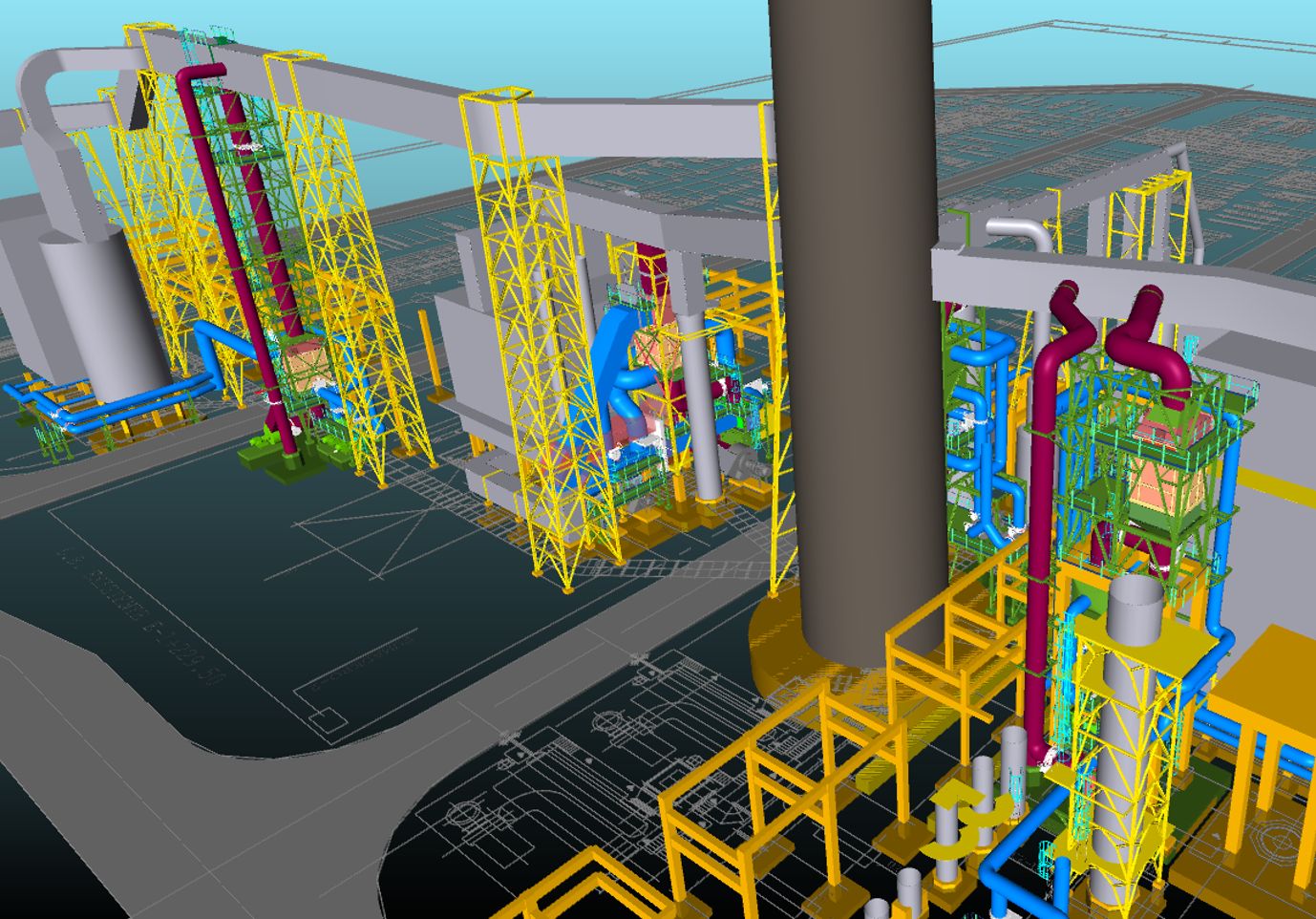
Industrial decarbonization is already transforming the way production processes are designed, operated, and optimized. Reducing CO₂ emissions has become a strategic objective for many industries, driven by regulatory requirements as well as the need to improve energy efficiency and competitiveness.
However, there is no single solution capable of decarbonizing an industrial facility.
Each process has its own characteristics, energy requirements, and operating conditions. As a result, the success of the energy transition depends on the ability to efficiently integrate multiple technologies.
What is Industrial Decarbonization?
Industrial decarbonization consists of reducing greenhouse gas emissions associated with industrial processes through the optimization of energy consumption, the incorporation of renewable energy sources, and the gradual replacement of fossil fuel-based technologies.
The objective is to move toward more efficient, sustainable, and climate-aligned production models.
Key Technologies for Industrial Decarbonization
At EIA21, we develop engineering projects focused on integrating decarbonization solutions tailored to each facility.
Electrification of Industrial Processes
Replacing conventional thermal or mechanical equipment with electric technologies helps reduce direct emissions and facilitates the integration of renewable energy sources.
Typical applications include:
- Industrial electric furnaces.
- Electric boilers for steam generation.
- Replacement of steam turbines with electric motors.
- Electrification of thermal processes.
Waste Heat Recovery and Utilization
A significant portion of the energy used in industry is lost as waste heat.
Recovering this energy enables:
- Reduced energy consumption.
- Improved process efficiency.
- Lower CO₂ emissions.
- Reduced operating costs.
Solar Thermal Energy for Industrial Processes
Solar thermal energy can generate renewable heat for industrial applications, reducing the consumption of conventional fuels.
This technology is particularly attractive for industries with high thermal energy demand.
Thermal System Optimization
The analysis and improvement of steam networks, thermal oil circuits, heat exchangers, and auxiliary systems can deliver significant energy savings without requiring major investments.
Process Energy Reuse
The integration of internal energy streams makes it possible to reuse thermal resources that were previously wasted, improving the overall performance of the facility.
District Heating and Thermal Networks
District Heating networks enable the efficient distribution of thermal energy among industrial facilities, buildings, and urban areas, maximizing the utilization of available heat.
Benefits of an Industrial Decarbonization Strategy
Implementing decarbonization measures provides environmental, economic, and operational benefits:
✅ Reduced CO₂ emissions.
✅ Lower energy consumption.
✅ Reduced operating costs.
✅ Improved process efficiency.
✅ Increased industrial competitiveness.
✅ Compliance with ESG and sustainability objectives.
✅ Enhanced energy resilience.
Engineering for the Energy Transition
Industrial decarbonization does not depend on a single technology. It requires analyzing each facility, identifying improvement opportunities, and integrating solutions capable of maximizing the technical and economic performance of the investment.
At EIA21, we develop feasibility studies, conceptual engineering, FEED, detailed engineering, and project management services to help our clients transform energy transition challenges into practical and achievable solutions.
The energy transition is built through engineering, integrating technologies capable of reducing emissions, optimizing resources, and advancing toward a more efficient and sustainable industry.

