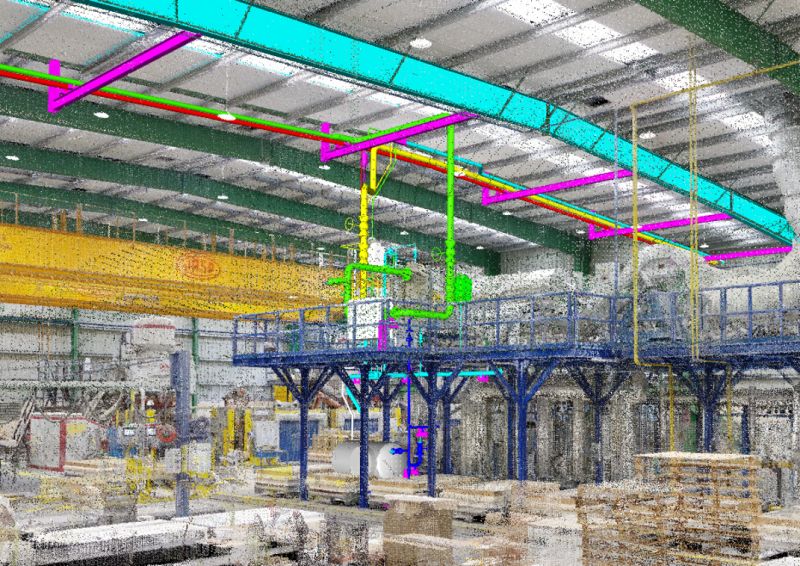
Energy efficiency has become one of the main challenges facing modern industry. In many production processes, a significant portion of the energy consumed is ultimately dissipated as waste heat from furnaces, flue gases, thermal systems, or process streams.
Capturing this energy and transforming it into a useful resource is one of the most effective measures for reducing emissions, optimizing operating costs, and advancing industrial decarbonization objectives.
What is Industrial Waste Heat?
Waste heat is thermal energy generated during an industrial process that is not utilized and is released into the environment.
Depending on the industry and process, this energy can be found in:
- Flue gases from furnaces and boilers.
- High-temperature process streams.
- Industrial cooling systems.
- Drying processes.
- Sterilization systems.
- Thermal oil and steam networks.
Without appropriate recovery systems, much of this energy is lost without providing any value to the facility.
Why is Waste Heat Recovery Important?
Waste heat recovery allows energy already generated within the plant to be reused, reducing the need for additional energy to meet thermal demands.
This delivers direct benefits:
✅ Lower fuel consumption.
✅ Reduced CO₂ emissions.
✅ Lower energy costs.
✅ Improved overall plant efficiency.
✅ Enhanced industrial competitiveness.
✅ Progress toward sustainability and energy transition objectives.
Applications of Waste Heat Recovery
There are multiple ways to utilize the thermal energy available within an industrial facility.
Recovery of Heat from Furnaces and Flue Gases
Exhaust gases from furnaces, dryers, and combustion systems contain a significant amount of energy that can be recovered using heat exchangers or dedicated recovery systems.
Heating of Industrial Processes
Recovered heat can be used to preheat raw materials, process streams, or utility fluids, reducing overall energy demand.
Sterilization Processes and Batch Operations
Thermal energy used during batch processes can be recovered and reused in subsequent cycles, significantly improving energy performance.
Optimization of Thermal Oil Circuits
Improving hydraulic and thermal balance helps reduce energy losses and optimize heat distribution throughout industrial facilities.
District Heating and Thermal Networks
Waste heat can be used to supply industrial or urban thermal networks, transforming energy losses into a valuable resource.
Engineering for Energy Recovery
Every facility has unique characteristics, making the identification of energy recovery opportunities a process that requires a specific technical assessment.
At EIA21, we develop projects aimed at maximizing the utilization of available thermal energy through:
Energy Efficiency Studies
Analysis of energy consumption, energy balances, and identification of improvement opportunities.
Conceptual Engineering and FEED
Evaluation of technical alternatives, CAPEX estimates, and feasibility analysis.
Detailed Engineering
Multidisciplinary design of heat recovery systems, heat exchangers, thermal circuits, and auxiliary equipment.
Implementation of Decarbonization Solutions
Integration of energy recovery systems into existing industrial facilities or new plants.
Waste Heat Recovery as a Decarbonization Tool
Industrial decarbonization does not depend solely on new energy sources. It also requires making better use of the energy already available within production processes.
Waste heat recovery represents one of the technologies with the strongest economic and environmental return for any energy transition strategy.
Reducing emissions, optimizing resources, and improving energy efficiency begins with making full use of the energy potential already available within industrial facilities.

