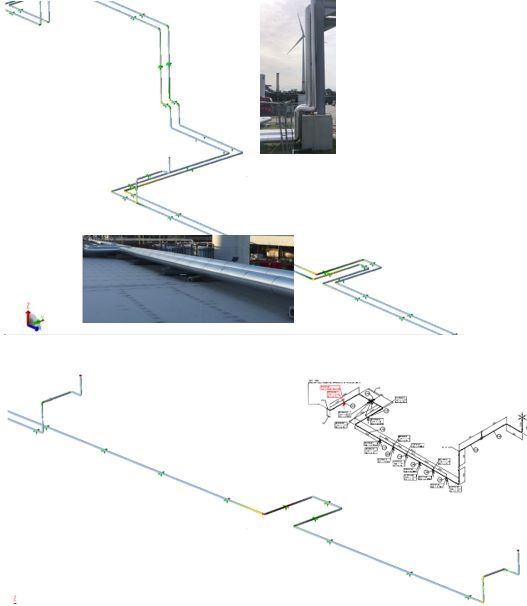
The energy transition in industry does not depend solely on process electrification. A significant share of industrial energy consumption is still associated with heat generation, making the reduction of emissions linked to thermal production one of the major challenges of industrial decarbonization.
In this context, industrial solar thermal energy has emerged as an efficient solution for generating renewable heat, reducing fossil fuel consumption, and improving the sustainability of industrial facilities.
What is Industrial Solar Thermal Energy?
Solar thermal energy harnesses solar radiation to generate thermal energy for industrial processes that require heat.
Unlike photovoltaic energy, which produces electricity, solar thermal technology generates hot water, steam, or thermal fluids that can be directly integrated into industrial production processes.
This technology is particularly attractive for industries with a high demand for low- and medium-temperature heat.
Applications of Solar Thermal Energy in Industry
The integration of solar thermal solutions can provide value across a wide range of industrial activities.
Industrial Hot Water Production
Generating hot water using solar energy can significantly reduce conventional energy consumption.
Food Processing
Food industries use large amounts of thermal energy for washing, cooking, sterilization, and heating processes.
Chemical and Pharmaceutical Industry
The integration of solar thermal energy can complement processes requiring controlled temperatures and continuous thermal demand.
District Heating and Thermal Networks
Solar thermal energy can be integrated into heat distribution networks supplying industrial or urban facilities.
Integration with Energy Recovery Systems
Solar thermal plants can be combined with waste heat recovery systems, maximizing the overall efficiency of the facility.
Benefits of Industrial Solar Thermal Energy
The implementation of solar thermal technologies provides both environmental and economic benefits.
Reduced CO₂ Emissions
Partial replacement of fossil fuels helps reduce the carbon footprint of industrial facilities.
Lower Energy Dependence
The generation of renewable thermal energy reduces exposure to volatility in energy markets.
Operational Savings
Reduced consumption of conventional fuels generates savings throughout the facility’s operating life.
Enhanced Sustainability
Solar thermal energy supports ESG objectives and corporate sustainability strategies.
Integration with Other Technologies
It can be combined with waste heat recovery, electrification, or renewable gases to maximize overall benefits.
Engineering for Industrial Solar Thermal Projects
The feasibility of a solar thermal installation depends on multiple factors:
- Process thermal demand.
- Available installation area.
- Required operating temperatures.
- Integration with existing systems.
- Economic return on investment.
At EIA21, we develop engineering projects focused on evaluating and optimizing the implementation of solar thermal energy in industrial environments.
✅ Feasibility Studies
Technical and economic assessments to determine the potential for solar energy integration in each facility.
✅Conceptual Engineering and FEED
Definition of technology alternatives, CAPEX estimates, and risk assessment.
✅ Detailed Engineering
Design of equipment, hydraulic systems, piping, instrumentation, structures, and control systems.
✅ Integration with Industrial Processes
Development of solutions tailored to the specific requirements of each client and production process.
Solar Thermal Energy as a Tool for the Energy Transition
Industrial decarbonization requires combining different technologies to reduce emissions and optimize resources.
Solar thermal energy represents a real opportunity to supply renewable heat to industrial processes, reduce conventional energy consumption, and improve the competitiveness of industrial facilities.
Harnessing the power of the sun to generate industrial heat is one of the most effective ways to move toward a more efficient, sustainable industry that is prepared for the energy challenges of the future.

